10 Best Women’s Workwear Outfits That Are Effortlessly Professional
April 18, 2026
Bag Crochet Design: How to Create Stunning Custom Bags with Unique Patterns & Styles
May 13, 2026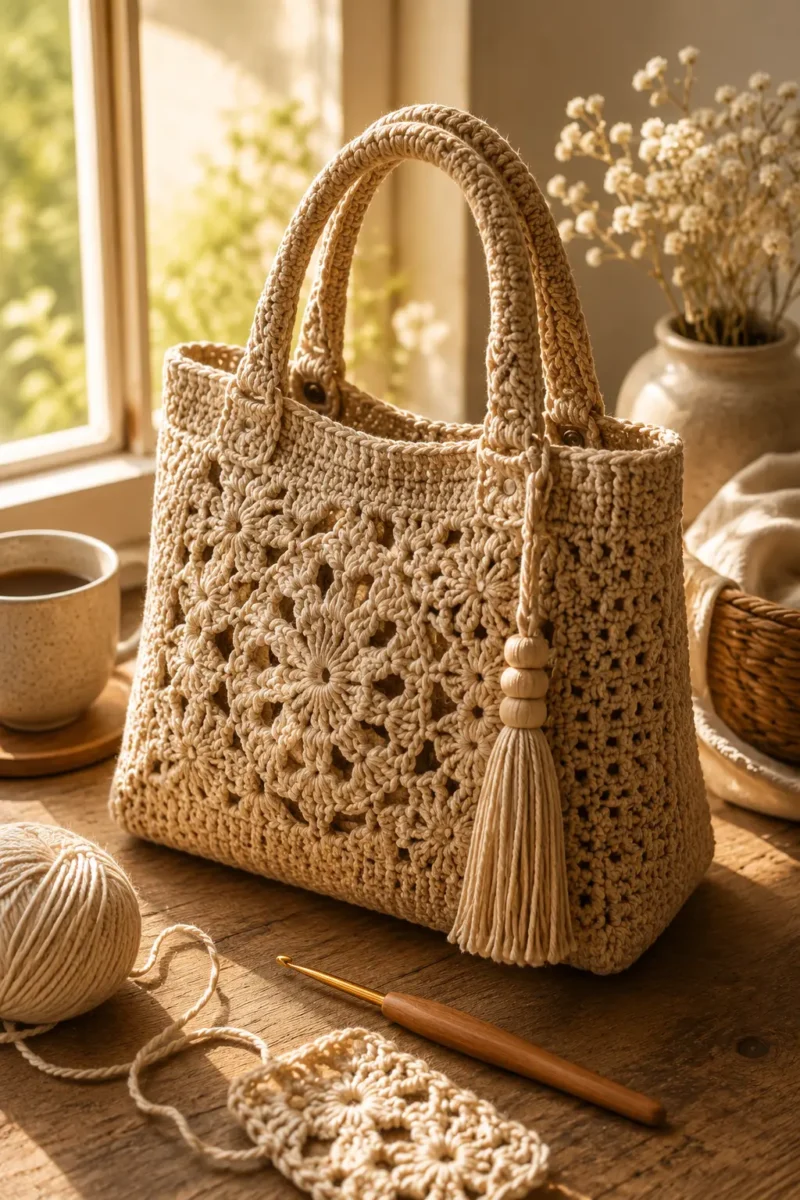
There’s something deeply satisfying about carrying a bag you made with your own hands. A crochet bag isn’t just an accessory—it’s a statement about slow fashion, creativity, and the joy of making something beautiful from a simple ball of yarn.
Whether you’re a complete beginner wondering where to start or an experienced crocheter looking for fresh inspiration, this guide covers everything you need to know. From choosing the right materials to mastering techniques that keep your bag looking polished for years, you’ll find practical advice that actually works.
What Is a Crochet Bag?
A crochet bag is any bag—tote, clutch, crossbody, market bag, or backpack—constructed using crochet techniques. Unlike knitting, crochet uses a single hook to create interlocking loops, resulting in a sturdier, denser fabric that’s ideal for items that need to hold weight.
Crochet bags range from delicate lacy clutches to heavy-duty market bags that can haul groceries without breaking a sweat. The versatility is remarkable: you can create structured handbags with stiff sides or slouchy bohemian totes that drape beautifully.
What makes crochet particularly well-suited for bags:
- Structural integrity — The fabric created is naturally thicker than knitting
- Design flexibility — Easy to work in the round, add pockets, or create textured patterns
- Durability — Properly made crochet holds up to daily use
- Customization — Every element can be tailored to your preferences
Why Crochet Bags Are Having a Major Moment
Walk down any street in summer and you’ll spot them—handmade bags swinging from shoulders, poking out of beach totes, adding texture to minimalist outfits. The crochet bag trend isn’t new, but it’s reached a peak that shows no signs of slowing.
Several factors drive this popularity:
The sustainability movement has pushed consumers toward handmade, natural-fiber alternatives to fast fashion. A cotton crochet bag can last years and eventually biodegrade, unlike synthetic alternatives.
Luxury fashion embraced the look. When high-end designers started featuring crochet bags at runway prices (we’re talking $2,000+ for some designer versions), it legitimized what crafters had been making in living rooms for generations.
The maker movement continues to grow. People want to create rather than just consume. A crochet bag is an achievable project that produces something genuinely useful.
Aesthetic appeal matters too. The texture, the handmade imperfections, the organic drape—these qualities feel refreshing against a backdrop of mass-produced sameness.
Types of Crochet Bags You Can Make
The world of crochet bags extends far beyond the simple tote. Here’s what you can create:
Market Bags & Grocery Totes
Open-weave designs that expand to hold surprising amounts. Perfect for farmers’ markets, beach trips, or everyday errands. These typically use cotton or cotton-blend yarns and feature stretchy mesh-like stitches.
Structured Handbags
More formal designs with defined shapes, often featuring linings, magnetic closures, and leather or wooden handles. These require stiffer stitches and sometimes interfacing.
Crossbody Bags
Compact and practical, these sit close to the body and keep hands free. Popular styles include boho-inspired fringed designs and sleek minimalist rectangles.
Clutches & Evening Bags
Smaller projects that work up quickly. Often made with finer yarn or thread for a more delicate appearance. Great for special occasions or as gift projects.
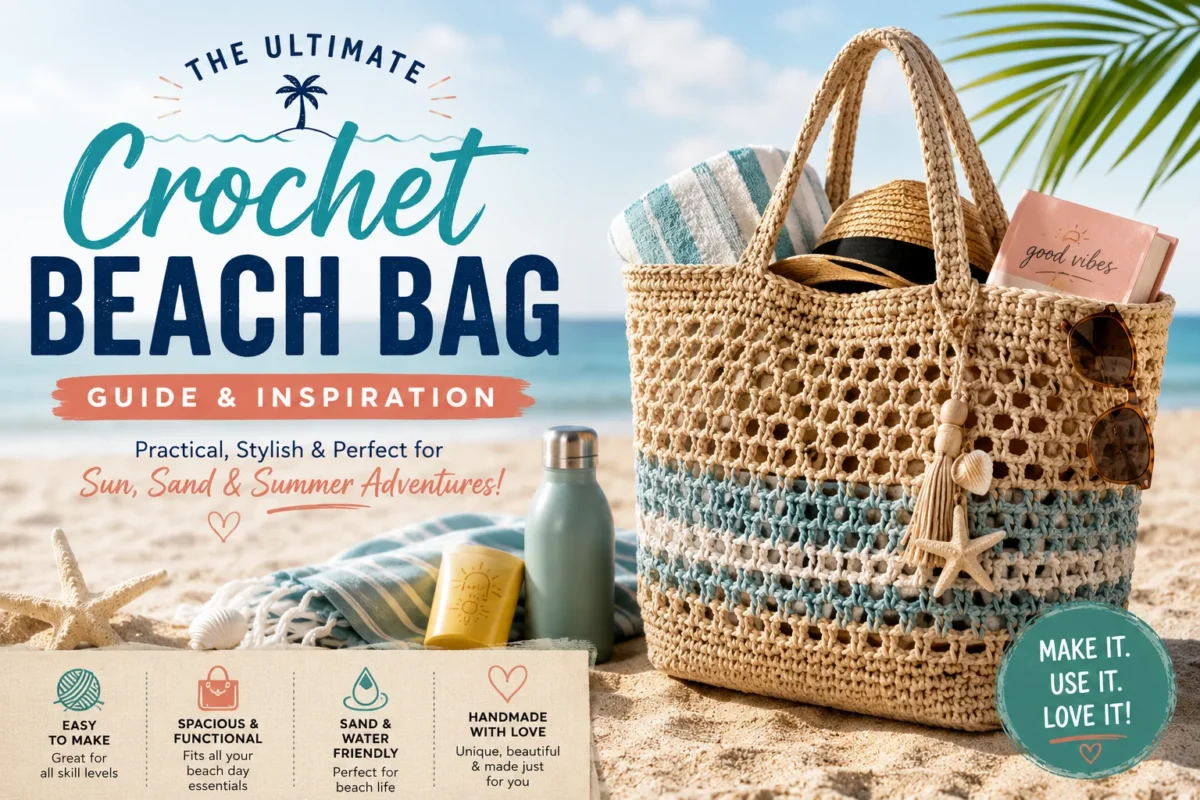
Beach Bags
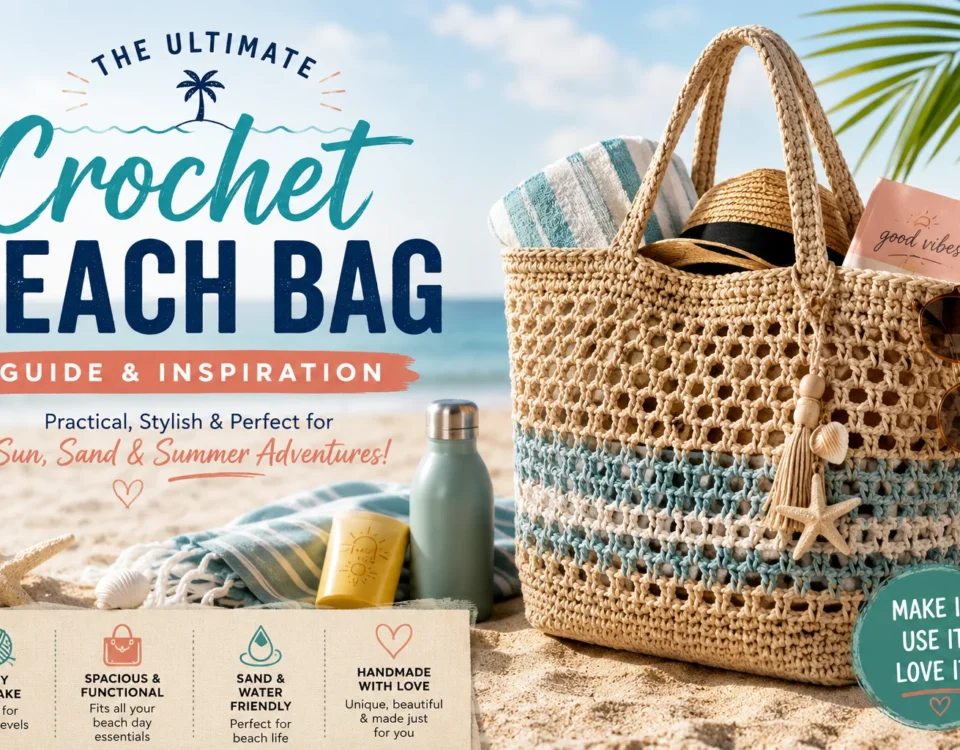
Large, airy designs meant to hold towels, sunscreen, and books. Mesh patterns allow sand to fall through rather than collecting at the bottom.
Backpacks
Yes, you can crochet a functional backpack. These require careful attention to strap construction and weight distribution but make stunning statement pieces.
Bucket Bags
The trendy silhouette works beautifully in crochet. Drawstring closures add a casual, relaxed vibe.
Choosing the Right Yarn for Your Crochet Bag
This decision can make or break your project. The wrong yarn choice leads to stretched-out, shapeless bags—a frustrating outcome after hours of work.
Best Yarn Types for Crochet Bags
100% Cotton remains the top choice for most bag projects. It’s strong, gets softer with washing, holds shape reasonably well, and comes in endless colors. Look for mercerized cotton for extra sheen and strength.
Cotton-Linen Blends offer the best of both worlds: cotton’s softness with linen’s structure. These blends resist stretching better than pure cotton.
Jute and Hemp create rustic, eco-friendly bags with natural stiffness. The texture is rougher, so they’re best for market bags rather than everyday purses.
Raffia (natural or synthetic) produces those trendy straw-like bags perfect for summer. The material is stiffer to work with but creates stunning results.
T-Shirt Yarn (also called trapillo) makes chunky, substantial bags quickly. The weight of the yarn itself provides structure. Here are Craft Yarn Council guidelines.
Yarns to Avoid for Bags
- Acrylic — Stretches significantly and doesn’t recover
- Wool — Stretches, felts when wet, and attracts moths
- Loosely spun yarn — Won’t hold up to daily use
- Novelty yarns — Beautiful but impractical for functional items
How Much Yarn Do You Need?
This varies significantly by bag size and stitch pattern, but general guidelines:
| Bag Type | Approximate Yarn Needed |
| Small clutch | 100-150g |
| Medium crossbody | 200-300g |
| Standard tote | 300-500g |
| Large market bag | 400-600g |
| Backpack | 500-800g |
Always buy slightly more than you think you’ll need. Dye lots vary, and running out mid-project is heartbreaking.
Essential Tools and Supplies
Beyond yarn, you’ll need a few key items:
Crochet Hooks
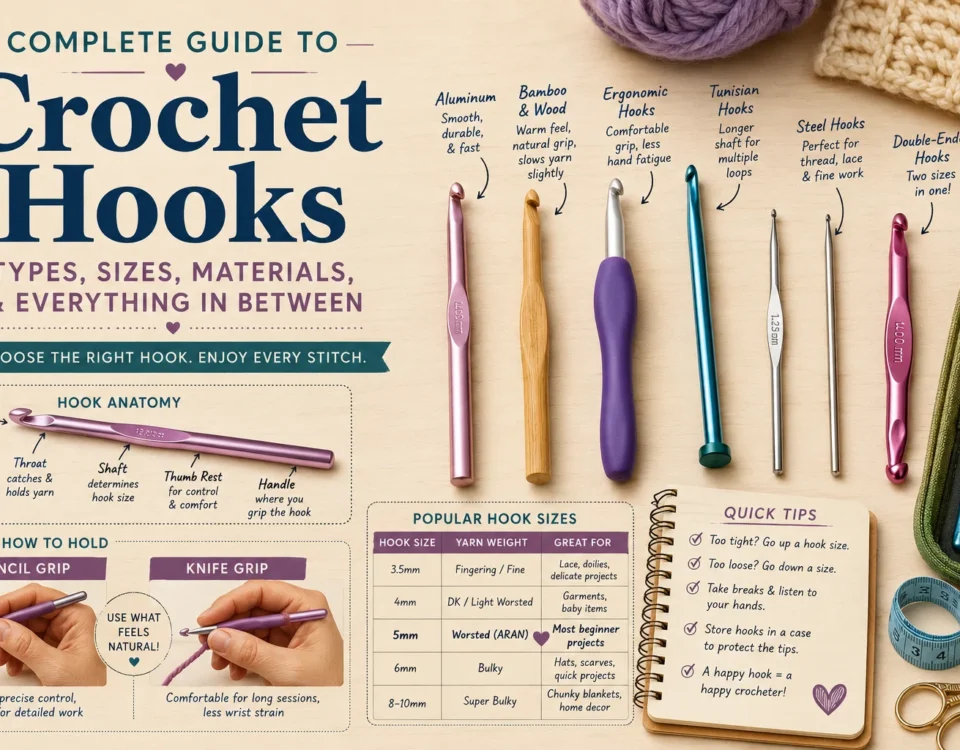
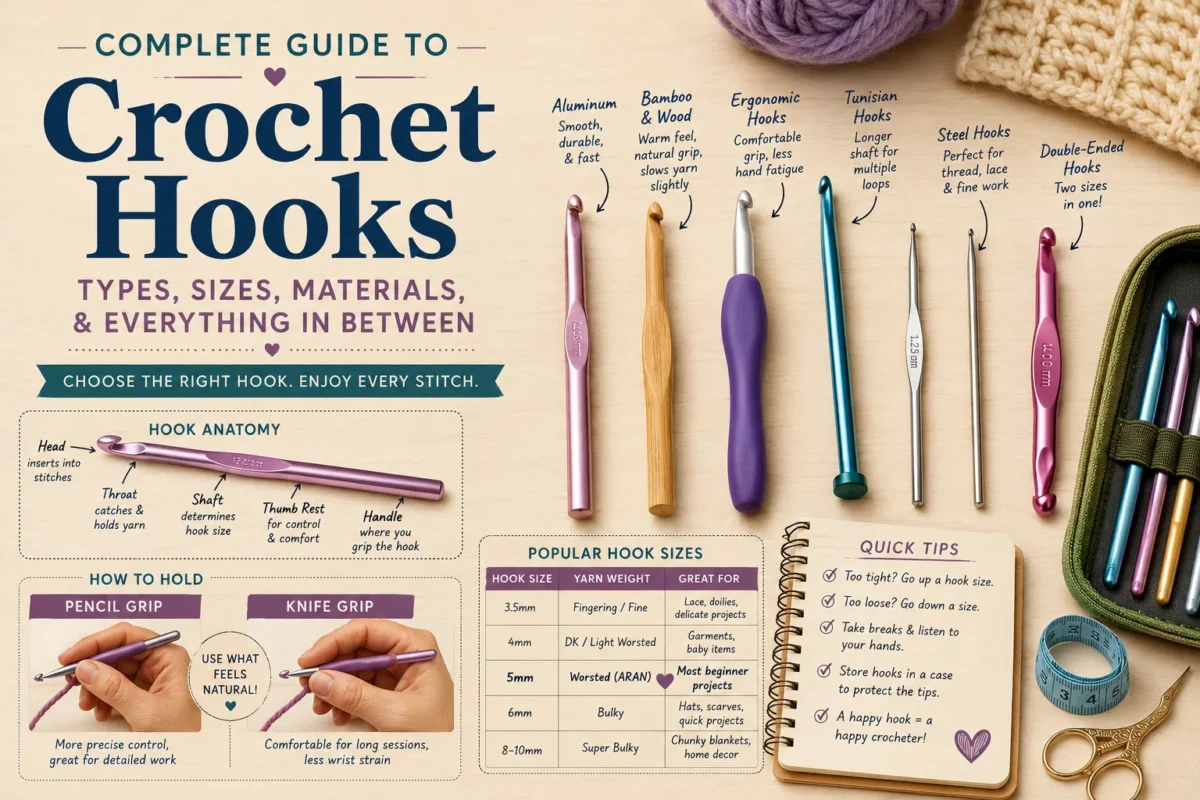
Choose based on your yarn weight. Most bag projects use hooks in the 4mm to 6mm range for worsted to bulky yarns. Ergonomic handles reduce hand fatigue during longer sessions.
Stitch Markers
Essential for keeping track of rounds and pattern repeats. Locking markers work best for bags since they won’t slip out.
Tapestry Needle
For weaving in ends and seaming pieces together. Get a few sizes—thicker for bulky yarns, finer for thread projects.
Measuring Tape
Checking gauge matters for bags. You want consistent sizing throughout.
Bag Hardware
- D-rings and swivel clasps for straps
- Magnetic snaps for closures
- Grommets for drawstring bags
- Bag feet to protect the bottom
Lining Materials (Optional but Recommended)
- Cotton fabric for casual bags
- Sew-in interfacing for structure
- Fusible fleece for padded protection
Best Stitches for Crochet Bags
Not all stitches work equally well for bags. You want density without excessive stiffness, structure without bulk.
Single Crochet
The workhorse stitch for bags. Creates tight, dense fabric that holds shape well. Works beautifully for structured designs.
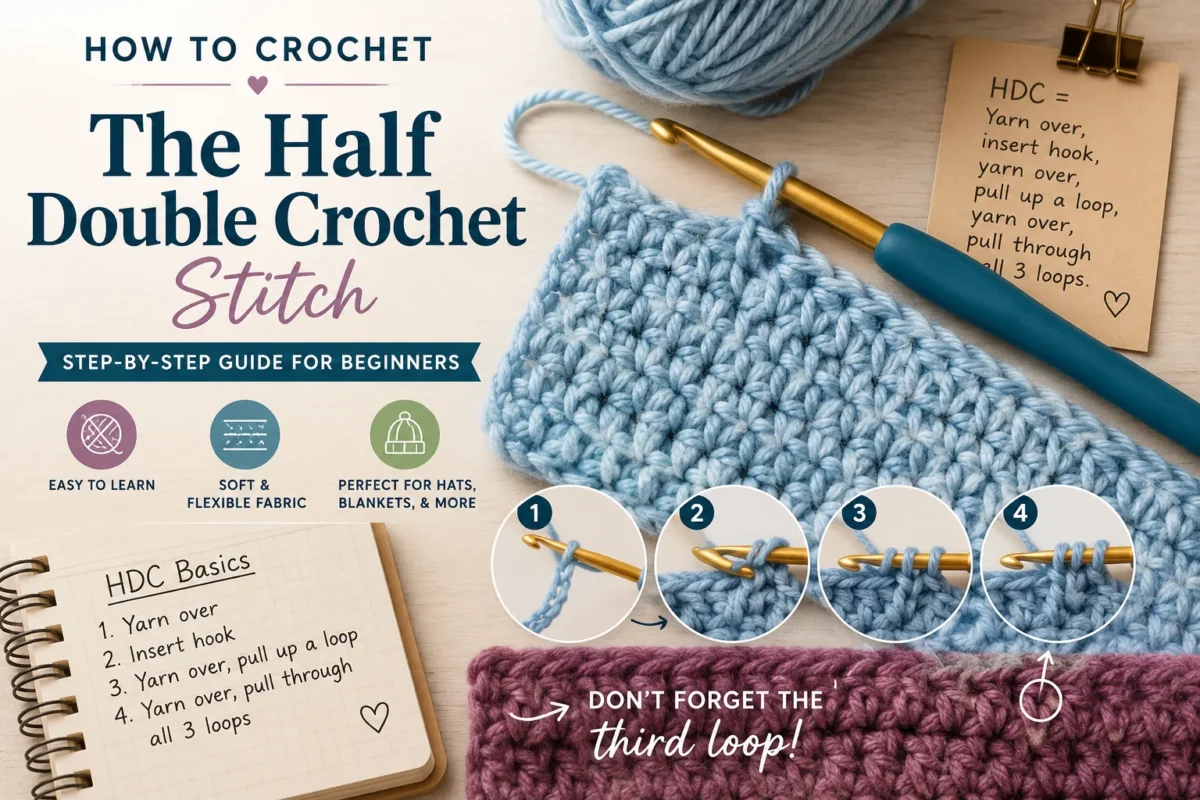
Half Double Crochet
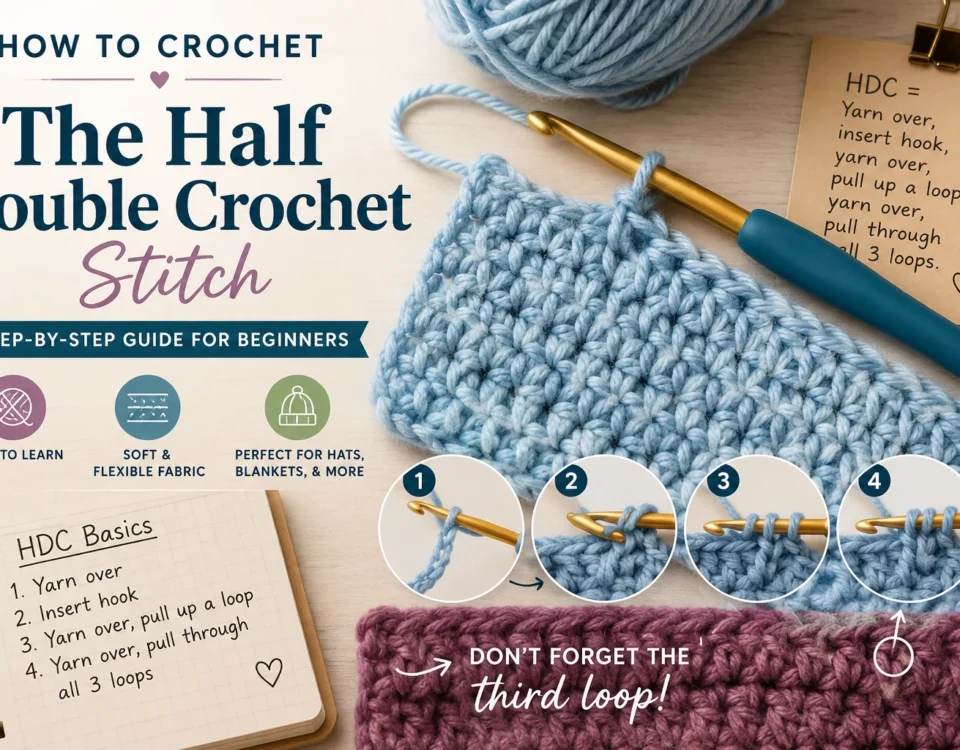
Slightly taller than single crochet, works up faster while maintaining good density. Excellent all-around choice.
Moss Stitch (Linen Stitch)
Alternating single crochet and chain stitches create a woven-look fabric with excellent drape. Reduces the tendency to bias (twist).
Waistcoat Stitch
A variation of single crochet that creates a knit-like appearance. Very sturdy and minimizes stretching.
Thermal Stitch
Double-layered construction creates extra-thick fabric. Perfect for bags that need to hold heavy items.
Mesh Stitches
Various open-work patterns for market bags. Less structural but allows for stretch and airiness.
How to Make Your First Crochet Bag (Beginner Guide)
If you’ve never crocheted a bag before, start simple. A basic tote teaches fundamental skills without overwhelming complexity.
What You’ll Need
- 300g medium-weight cotton yarn (two skeins)
- 5mm crochet hook
- Stitch marker
- Tapestry needle
Basic Steps Overview
Step 1: Create the Base
Chain a foundation row, then work single crochet rows until your base measures approximately 10″ x 4″. This flat rectangle becomes the bottom of your bag.
Step 2: Build the Sides
Instead of turning, you’ll now work continuously around all sides of the base, crocheting into the sides of your rows and across the foundation chain. Place a marker at the start of each round.
Step 3: Continue Upward
Work in continuous rounds or joined rounds (your preference) until the bag body reaches your desired height—typically 10-12 inches for a standard tote.
Step 4: Create Handles
At the top of your bag, mark where handles will go. Chain across these sections instead of crocheting, then continue around. On the next round, work into these chain spaces to reinforce.
Step 5: Finish
Weave in all ends securely. Consider adding a fabric lining for a polished look and to prevent items from poking through.
This basic structure can be endlessly customized. Add stripes, texture stitches, pockets, or decorative edging once you’re comfortable with the fundamentals.
Common Mistakes to Avoid
Learning from others’ errors saves time and frustration.
Ignoring Gauge
Yes, gauge matters for bags. Too loose, and your items fall through the stitches. Too tight, and the bag becomes stiff and awkward. Always make a swatch with your chosen yarn and hook, then adjust accordingly.
Choosing the Wrong Yarn
That gorgeous fluffy acrylic? It will stretch into a shapeless blob. Stick with plant fibers for functional bags.
Skipping the Lining
Unlined crochet bags let small items poke through, snag on the stitches, and look unfinished from inside. A simple fabric lining transforms the functionality and appearance.
Making Weak Straps
Straps take the most stress. Crochet them tightly, consider reinforcing with webbing inside, and attach them securely to the body—not just at the top edge but several rows down.
Starting Too Ambitious
That intricate colorwork backpack with eleven pockets? Maybe save it for project three or four. Start with a simple design, nail the fundamentals, then level up.
Forgetting Closures
An open-top bag is fine for some purposes but impractical for others. Plan your closure method before starting—adding it afterword often looks awkward.
How to Prevent Your Crochet Bag from Stretching
The number-one concern with handmade bags is stretching. Heavy contents pull the fabric over time, turning a cute tote into a droopy mess. Here’s how to fight it:
Use Non-Stretch Yarn
Cotton, linen, hemp, and jute resist stretching far better than wool or acrylic. This is the most important factor.
Crochet Tightly
Aim for firm tension without killing your hands. The denser the fabric, the less it can stretch.
Add a Lining
Fabric lining bears some of the weight and prevents the crochet from bearing all the stress.
Use Interfacing
Sew-in or fusible interfacing between the crochet and lining adds significant structure. Medium-weight works for most bags.
Reinforce the Base
Consider a plastic canvas insert, cardboard covered in fabric, or a piece of craft foam cut to fit the bottom. This prevents the base from stretching and sagging.
Strengthen the Straps
Run cotton webbing through the center of crocheted straps, or sew webbing directly inside the strap. This prevents the stretching that makes straps dig into shoulders.
Block Appropriately
Wet blocking cotton yarn actually shrinks it slightly and tightens the stitches. Block your finished bag before adding lining or hardware.
Styling Your Crochet Bag
A handmade bag deserves to be shown off. Here’s how to wear yours with intention:
Casual Everyday
Pair a neutral-toned market bag with jeans and a white tee. The texture adds interest to simple outfits without competing for attention.
Beach Ready
A large mesh bag in natural tones carries everything for a beach day while looking effortlessly chic. Let it complement rather than match your swimwear.
Boho Vibes
Earth-toned crossbody bags with fringe or tassel details pair beautifully with flowing dresses, denim shorts, or linen separates.
Elevated Casual
A structured crochet handbag with leather handles bridges casual and dressy. Carry it to brunch, galleries, or dinner with friends.
Festival Style
Bold colors, granny squares, and playful shapes fit right in. This is the context where maximalist crochet shines.
Professional Settings
Yes, crochet can work for the office. Choose structured silhouettes in neutral colors with clean lines. A well-made crochet bag reads as artisanal rather than crafty.
Caring for Your Handmade Bag
Proper care extends the life of your crochet bag significantly.
Regular Maintenance
Empty the bag completely between uses. Shake out debris. Store stuffed with tissue paper to maintain shape.
Washing Cotton Bags
Hand wash in cool water with mild detergent. Gently squeeze—never wring or twist. Roll in a towel to remove excess water, then reshape and dry flat.
Spot Cleaning
For small stains, use a damp cloth with a tiny amount of mild soap. Blot, don’t rub.
Storage
Store bags in breathable cotton dust bags or pillowcases. Avoid plastic, which traps moisture. Keep away from direct sunlight to prevent fading.
Repairs
Fix small holes immediately before they grow. Reinforce stress points at the first sign of wear.
FAQ
Can a complete beginner make a crochet bag?
Absolutely. A simple rectangular tote requires only chain, single crochet, and basic construction skills. Many beginners complete their first bag within a week of learning basic stitches.
How long does it take to crochet a bag?
Time varies dramatically based on size, complexity, and your speed. A simple market bag might take 8-12 hours. A detailed structured handbag could take 30+ hours.
What’s the best crochet hook size for bags?
For most worsted-weight cotton yarns, a 4.5mm to 5.5mm hook works well. Go smaller than the yarn label suggests for denser fabric.
Do I need to line my crochet bag?
You don’t need to, but lining dramatically improves functionality and appearance. It prevents items from poking through, protects the crochet from wear, and gives a finished interior.
How do I keep the bottom of my bag from sagging?
Insert a stiff base made from plastic canvas, cardboard, or foam core cut to size. Cover it with fabric that coordinates with your lining.
Can I machine wash a crochet bag?
For cotton bags, yes—use a mesh laundry bag, cold water, and gentle cycle. However, hand washing is safer and extends the bag’s life. Never machine dry.
What’s the difference between a crochet bag and a knit bag?
Crochet uses a single hook to create loops; knitting uses two needles. Crochet fabric is generally thicker, sturdier, and holds shape better—making it the preferred technique for bags.
How do I add a zipper to a crochet bag?
Sew a fabric lining with an integrated zipper, then attach the lining to the inside of the bag. Sewing a zipper directly to crochet fabric rarely looks clean.
Conclusion
Creating your own crochet bag connects you to a long tradition of handcraft while producing something genuinely useful and beautiful. Start with manageable projects, choose your materials wisely, and don’t be afraid to make mistakes—that’s how skills develop.
The bag you carry says something about your values. A handmade crochet bag says you appreciate craft, sustainability, and the irreplaceable character of human-made objects. Whether you make bags for yourself, as gifts, or even to sell, the skills you build become part of who you are.
Pick up that hook, choose a gorgeous skein of cotton, and start your first row. Your perfect crochet bag is waiting to be made.