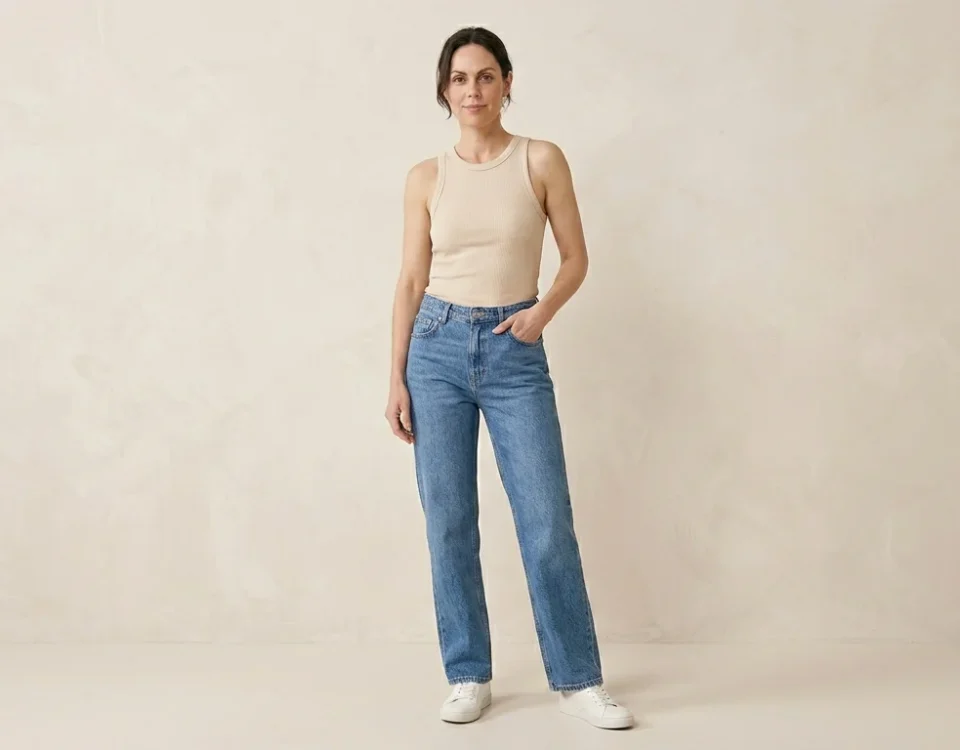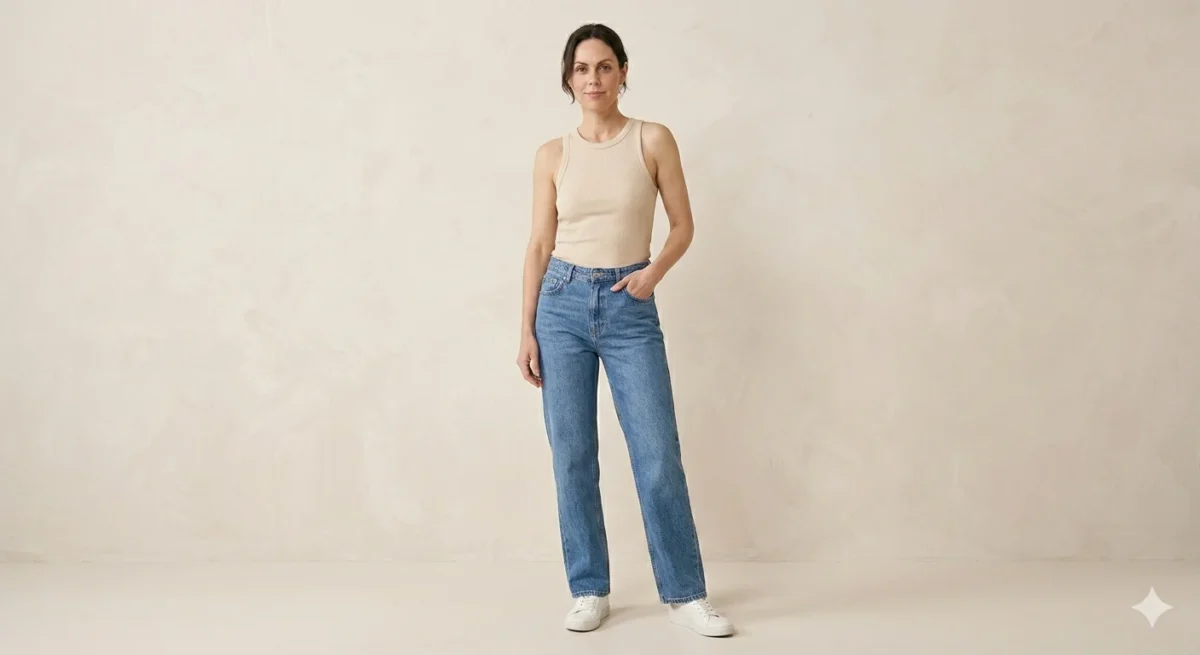

Straight Leg Jeans: Why They Are the Most Versatile Denim Cut of All Time
April 6, 2026
10 Brilliant Women’s Fashion Tips to Look Effortlessly Stylish
April 9, 2026
You have seen the price tags. You have wondered whether a pair of jeans that costs four or five times the price of a supermarket alternative is genuinely worth the difference — or whether you are paying for a label, a marketing budget, and a cleverly designed shopping bag.
The answer is: it depends on what the price is buying. Some expensive jeans are worth every penny. Some are priced for prestige rather than construction. And some of the best-value jeans available are mid-range pairs from brands that prioritise manufacturing over marketing. Here is how to tell the difference.
What Drives the Price of Jeans?
The cost of a pair of jeans is determined by five main factors: fabric quality, manufacturing quality, labour costs, brand positioning, and distribution. Of these, only the first two are directly relevant to how the jeans will perform and last.
Fabric quality: Premium denim fabric — heavier weight, higher cotton content, better dye quality — costs significantly more than the lightweight, synthetic-blended fabric used in fast fashion jeans. The fabric alone can account for a substantial portion of the price difference between a premium and a budget pair.
Manufacturing quality: Skilled labour, reinforced seams, quality hardware, and precise cutting all cost more than automated, high-volume production. Jeans made in factories with skilled workers — who earn fair wages — will always cost more to produce than jeans made in conditions where cost is the only consideration.
Brand positioning: Luxury denim brands add significant margin for brand prestige, marketing spend, wholesale margins, and retail markups. A pair of jeans that costs £300 in a designer boutique may have fabric and construction costs equivalent to a pair selling for £80 at a quality mid-range brand.
Signs That the Price Reflects Genuine Quality
The Fabric Has Weight
Hold the jeans up. Heavier fabric costs more to produce and performs better — it holds its shape, resists bagging, and ages well. Lightweight denim might feel soft in the shop, but it will bag, fade, and lose its shape quickly.
The Stitching Is Tight and Even
Turn the jeans inside out and look at every seam. The inner thigh seam especially — this is the highest stress point and where poorly-made jeans will fail first. Tight, even stitching with no loose threads or puckering indicates proper construction.
The Hardware Is Metal
Metal zippers, rivets, and buttons that feel solid and operate smoothly indicate quality. Plastic zippers that feel lightweight and catch easily are a cost-cutting measure that shortens the useful life of the garment.
The Fabric Label Lists Cotton as the Dominant Fibre
At least 70-80% cotton with 1-2% elastane is the quality benchmark. Significant polyester content is a sign of cost reduction. A brand that lists 40% polyester in their denim is cutting fabric costs — not improving performance.
Signs That the Price Is Paying for Something Other Than Quality
The jeans are from a luxury fashion house and the premium is almost entirely on the logo and brand heritage. The store environment is expensive (prime retail locations, extensive staff, elaborate displays) — all of which is funded by the product margin. The jeans feel light and insubstantial for their price point. The care instructions are vague or minimal — a sign that the manufacturer expects the garment to have a short life.
Where the Real Value Is
The best value in women’s denim consistently sits in the mid-range: brands that invest in fabric and construction rather than marketing and brand prestige. Brands that are transparent about where their jeans are made and how their workers are paid. Brands whose price reflects what the jeans actually cost to make well, with a fair margin for the business — not a luxury premium for the label.
At Sistribe Store, our pricing reflects the true cost of making jeans properly. We use quality fabric, skilled seamstresses who are paid fairly, and construction standards that are designed for longevity. We do not add a luxury brand premium — because we would rather the value of every purchase go to the women who make our jeans and the women we support with every sale, not to a marketing fund.
Are expensive jeans worth it? Sometimes. But a fair price for genuine quality is always worth it — and that is a different question.